
Dog Yeast Infection Paw: Causes, Symptoms & Treatment
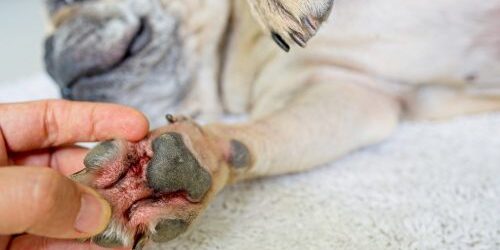
A dog yeast infection paw issue develops when naturally occurring yeast on the skin grows out of balance and irritates the sensitive tissues of a dog’s feet. These infections most often affect the skin between the toes and around the paw pads, where warmth and moisture allow yeast to thrive. While yeast lives on every dog’s skin, certain conditions create an environment that encourages overgrowth. When this happens, paws can become uncomfortable and inflamed, leading to persistent licking or chewing. Understanding why these infections occur and how veterinarians manage them helps pet owners recognize when professional care is needed.
Understanding Yeast Infections in Dog Paws
Yeast infections in dog paws typically involve an organism called Malassezia, which normally exists on the skin without causing harm. Problems begin when the skin barrier becomes compromised or when moisture remains trapped between the toes. Paws are especially vulnerable because they come into frequent contact with grass, dirt, and moisture throughout the day. Over time, repeated exposure creates an ideal setting for yeast to multiply beyond normal levels.
A dog yeast infection paw condition often reflects a broader issue affecting skin health rather than a single isolated problem. Many dogs with recurrent paw infections also experience irritation in other areas, such as ears or skin folds. Veterinarians view paw yeast infections as a signal to look deeper at what may be influencing the skin’s balance. This comprehensive approach allows the care team to address contributing factors rather than focusing only on surface symptoms.
Dogs of all breeds and ages can develop yeast infections, although some are more prone due to genetics or lifestyle. Dogs that swim frequently, walk on damp grass, or have hair growth between their toes may retain more moisture in their paws. When the skin stays damp, yeast has more opportunity to grow. Early recognition helps limit discomfort and reduces the risk of long-term skin changes.
Common Causes of Paw Yeast Infections
Several factors contribute to the development of a dog yeast infection paw problem, and these causes often overlap. Allergies rank among the most common underlying triggers. Dogs with environmental or food sensitivities may develop inflamed skin that disrupts the natural barrier, making yeast overgrowth more likely. Chronic inflammation weakens the skin’s defenses over time.
Moisture plays a significant role as well. Paws that stay wet after outdoor activities create an environment where yeast can flourish. This is especially common during humid weather or in dogs that frequently lick their paws. Repeated licking introduces saliva, which adds even more moisture to the skin and worsens irritation.
Other contributing factors include hormonal imbalances, immune system changes, and certain medications that affect skin health. These conditions may alter the body’s ability to regulate yeast populations. In some cases, paw structure also matters, as tightly packed toes can trap debris and moisture.
Common contributing factors include:
- Environmental or food-related allergies
- Frequent exposure to moisture or humidity
- Excess hair growth between toes
- Underlying hormonal or immune conditions
Veterinarians consider all these elements when evaluating why a paw infection developed. Identifying the root cause supports more effective long-term management.
Recognizing Symptoms Early
Early detection of a dog yeast infection paw concern can help limit discomfort and prevent the infection from worsening. One of the most noticeable signs is persistent licking or chewing of the paws. Dogs may focus on one foot or rotate between multiple paws as irritation spreads. This behavior often continues despite attempts to distract the dog.
Visual changes in the paws provide additional clues. Skin between the toes may appear red, swollen, or darker than normal. Some dogs develop a greasy or thickened texture in affected areas. A distinct odor, often described as musty or yeasty, commonly accompanies these infections and tends to worsen over time.
Behavioral changes may also appear. Dogs with sore paws may hesitate to walk on certain surfaces or become less active during walks. In chronic cases, nails and surrounding skin may show changes as inflammation persists. These signs indicate that the infection may have been present longer than initially realized.
Symptoms to watch for include:
- Excessive licking, chewing, or biting at paws
- Redness or discoloration between toes
- Thickened or irritated skin around paw pads
- Noticeable odor coming from the feet
If these signs appear, a veterinary evaluation provides clarity on whether yeast is the underlying cause.
Treatment Options for Paw Yeast Infections
Veterinary treatment for a dog yeast infection paw issue focuses on reducing yeast overgrowth while addressing contributing factors. The process typically begins with an exam to confirm the diagnosis, which may include skin testing or cytology. Identifying yeast ensures that treatment targets the correct cause rather than masking symptoms.
Once diagnosed, veterinarians may recommend professional therapies designed to restore skin balance. These treatments vary based on the severity and duration of the infection. Managing inflammation is often part of the plan, as irritated skin allows yeast to persist. Follow-up visits help monitor progress and adjust care as needed.
Why Professional Care Matters
Professional oversight is essential because paw yeast infections can mimic other skin conditions. Bacterial infections, parasites, or allergic reactions may look similar at first glance. Treating the wrong condition can delay relief and allow the problem to worsen. A veterinary team evaluates the entire health picture to guide appropriate care.
Veterinary treatment plans also consider prevention. Addressing moisture control, allergy management, or underlying medical concerns helps reduce the chance of recurrence. This approach supports healthier paws over the long term rather than providing temporary relief.
Preventing Recurrence and Keeping Paws Healthy
Preventing future dog yeast infection paw flare-ups involves maintaining healthy skin and identifying triggers early. Regular veterinary checkups allow subtle skin changes to be addressed before they escalate. Monitoring paw condition at home helps pet owners notice redness or odor sooner.
Lifestyle adjustments may also support healthier paws. Dogs that spend time outdoors benefit from routine paw checks, especially after exposure to wet conditions. Trimming excess hair between toes can improve airflow and reduce moisture buildup. These measures complement veterinary guidance and help maintain skin balance.
Preventive strategies often focus on consistency. Dogs with known sensitivities may need ongoing skin monitoring throughout the year. By partnering with a veterinary team, pet owners gain personalized guidance based on their dog’s history and risk factors. This collaborative approach supports long-term comfort and mobility.
Healthy Paws Start With the Right Support
A dog yeast infection paw condition can cause significant discomfort, but timely veterinary care makes a meaningful difference. Understanding the causes, recognizing symptoms, and seeking professional treatment helps protect your dog’s paw health. If your dog shows signs of persistent paw irritation, expert evaluation provides answers and direction.
For trusted care and guidance, Call us at (574) 223-4980 or request an appointment online with Fulton County Veterinary Clinic in Rochester, IN. Our team is ready to help keep your dog comfortable, active, and supported at every stage of life.
Recent Posts
About Us
Fulton County Veterinary Clinic is a family-owned and operated animal hospital serving Rochester, IN, and its neighboring communities for over a generation.