
Cat Stretching: Understanding This Feline Habit
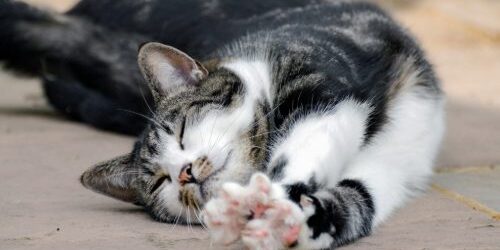
Cat stretching is a natural, instinctive behavior that helps cats maintain flexibility, support healthy movement, and communicate how they feel in a given moment. From a long front-leg reach to a slow arch of the back, these movements serve both physical and behavioral purposes. Cats stretch after rest, before activity, and sometimes simply to reset their bodies. While the behavior often looks casual, it reflects a finely tuned balance between muscles, joints, and the nervous system. Observing cat stretching patterns can offer useful insight into daily routines and overall comfort. Understanding why this habit matters helps pet owners better appreciate how cats move through their environment.
This article explores the reasons behind cat stretching, the benefits it provides, and what changes in stretching behavior may signal. If questions arise about your cat’s movement or comfort, Fulton County Veterinary Clinic is available to help. You can call us at (574) 223-4980 or request an appointment online.
Why Do Cats Stretch So Often?
Cats stretch frequently because their bodies are designed for short bursts of activity followed by extended rest. During sleep or relaxation, muscles cool and shorten slightly. Stretching helps reengage those muscles and prepare them for movement. This pattern supports agility, balance, and coordination throughout the day. Cat stretching also stimulates blood flow, which helps deliver oxygen to muscles and connective tissues.
Stretching plays a role in how cats transition between states of rest and alertness. When a cat stretches after waking, the movement helps reset posture and joint alignment. This allows smoother motion when walking, jumping, or climbing. Cats also stretch to maintain body awareness, which is essential for precise movement in tight or elevated spaces.
Stretching as a Form of Communication
In addition to physical benefits, cat stretching communicates emotional and environmental cues. A relaxed, extended stretch often signals comfort and ease. Cats may stretch in front of people or other pets as a sign of confidence in their surroundings. In some cases, stretching accompanies social behaviors such as greeting or seeking attention.
Cats also use stretching to mark territory indirectly. Stretching against surfaces like carpets or furniture can involve scent glands in the paws. This combination of movement and scent leaves familiar markers behind, reinforcing a sense of security in the space.
The Health Benefits of Stretching for Cats
Cat stretching supports overall mobility by keeping muscles flexible and joints moving through their natural range. Regular stretching helps reduce stiffness that can develop during rest. This is especially important for maintaining smooth, coordinated movement as cats age. Stretching also supports posture by engaging core muscles that stabilize the spine.
Another benefit of cat stretching is its role in balance and coordination. Stretching activates proprioception, which is the body’s ability to sense position and movement. This awareness helps cats land safely after jumps and move confidently across uneven surfaces. Stretching also encourages even muscle use, which supports symmetry and reduces strain during daily activity.
Key physical benefits of cat stretching include:
- Improved flexibility and joint mobility
- Increased circulation to muscles and connective tissue
- Support for balance and controlled movement
Stretching and Daily Energy Cycles
Cats follow natural energy cycles that include periods of rest and activity. Stretching helps regulate these cycles by preparing the body for movement and easing transitions back to rest. A good stretch before play allows muscles to engage more efficiently. After activity, stretching helps muscles relax and return to a resting state.
This rhythm supports endurance during short bursts of play or exploration. Over time, consistent stretching contributes to smoother movement patterns and sustained mobility.
Common Times You’ll See Your Cat Stretch
Cat stretching often follows predictable patterns tied to daily routines. One of the most common times is immediately after waking. Whether a cat naps for minutes or hours, stretching helps wake the body and prepare it for movement. This often includes a full-body extension with the front legs reaching forward and the back arching gently.
Another common moment for cat stretching occurs before activity. Cats may stretch before play, climbing, or exploring new spaces. This prepares muscles and joints for sudden movement. Stretching also appears after activity, helping muscles relax and reset.
You may notice cat stretching during these moments:
- After naps or long periods of rest
- Before or after play and exploration
- During social interactions or greetings
Environmental Triggers for Stretching
Environmental factors can also prompt stretching. Cats may stretch when moving into a sunny spot, adjusting to a new surface, or reacting to changes in temperature. These stretches help the body adapt to new conditions. Stretching against vertical surfaces, such as door frames or scratching posts, combines movement with environmental interaction.
When Stretching Could Signal Discomfort
While cat stretching is typically normal, changes in frequency, posture, or ease of movement can signal discomfort. Stretching that appears stiff, uneven, or hesitant may reflect underlying issues affecting mobility. Cats may stretch more often if they feel tightness or strain, or less often if movement feels uncomfortable.
Paying attention to how your cat stretches matters. A smooth, fluid stretch differs from one that looks guarded or incomplete. Cats experiencing discomfort may stretch only certain areas or avoid full-body extensions. Behavioral changes, such as reduced activity or altered posture, may also appear alongside changes in stretching habits.
Signs that warrant veterinary attention include:
- Noticeable stiffness during or after stretching
- Avoidance of normal movement or activity
- Changes in posture or gait
If you observe these changes, it is appropriate to seek professional guidance. Call us at (574) 223-4980 or request an appointment online to discuss what you are seeing.
Encouraging Healthy Movement in Cats
Supporting healthy movement helps cats continue natural behaviors like stretching. An environment that encourages safe activity promotes regular movement throughout the day. Cats benefit from spaces that allow climbing, jumping, and exploration at their own pace. These activities naturally incorporate stretching as part of movement.
Routine play also supports mobility by engaging muscles and joints. Interactive play encourages cats to move through a variety of positions, which complements stretching behaviors. Consistent routines help cats feel secure, which supports relaxed movement and natural stretching.
Ways to support healthy movement include:
- Providing vertical spaces such as cat trees or shelves
- Encouraging regular, gentle play sessions
Maintaining consistent daily routines
These strategies help cats move comfortably and express natural behaviors without forcing activity.
A Closer Look at a Simple Stretch
Cat stretching may look simple, but it reflects a complex balance of anatomy, behavior, and environment. Each stretch supports movement, communication, and daily comfort. By observing how and when your cat stretches, you gain insight into their routines and physical state.
If questions arise about changes in movement or behavior, professional evaluation provides clarity. The team at Fulton County Veterinary Clinic is here to support your cat’s health at every stage. Call us at (574) 223-4980 or request an appointment online to learn more or schedule a visit.
Recent Posts
About Us
Fulton County Veterinary Clinic is a family-owned and operated animal hospital serving Rochester, IN, and its neighboring communities for over a generation.