
My Cat Has Dandruff: Causes & Treatments
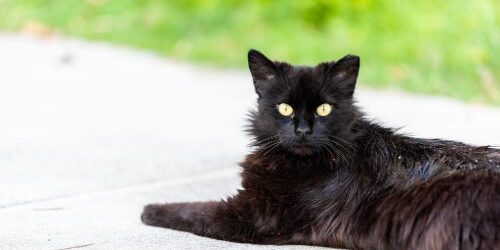
When pet owners notice white flakes on their cat’s coat or bedding, the thought often follows: my cat has dandruff. Feline dandruff describes dry, flaky skin that sheds and becomes visible in the fur, most commonly along the back or near the tail. While occasional flaking can happen, ongoing dandruff usually signals changes in skin health, grooming ability, or overall wellness that deserve closer attention. Understanding why dandruff appears helps pet owners know when to monitor and when to seek veterinary care.
Why Does My Cat Have Dandruff?
When someone says my cat has dandruff, they are usually seeing the result of disrupted skin cell turnover. Healthy skin constantly sheds old cells, but those cells stay microscopic and unnoticeable. Dandruff develops when that process changes and dead skin cells accumulate faster than they are removed. This can happen when the skin becomes dry, irritated, or inflamed, or when natural oils are not distributed evenly through the coat.
Cats depend heavily on grooming to maintain healthy skin. Their tongues spread oils produced by the skin, which help keep the coat flexible and hydrated. If grooming decreases for any reason, those oils remain concentrated in some areas while others dry out. Over time, flakes become visible and may collect along the spine where grooming is less effective.
Environmental factors also influence skin health. Indoor air, especially during colder months, often lacks humidity. Seasonal shifts, routine changes, and stress can all affect how a cat’s skin functions. While dandruff itself is not a diagnosis, it often reflects changes happening either on the skin surface or internally.
Common Causes of Feline Dandruff
Many pet owners worry when they think my cat has dandruff, but the causes range from mild to more complex. In many cases, several factors contribute at the same time, which is why dandruff may persist or return after appearing to improve.
Some of the more common contributors include:
- Dry indoor environments, especially during winter heating months
- Reduced grooming, often linked to aging, stiffness, or discomfort
- Weight-related limitations that prevent thorough self-care
- External parasites, such as mites, that irritate the skin
- Underlying health conditions that affect skin and coat quality
As cats grow older, changes in flexibility can limit their ability to groom their backs effectively. This often leads to dandruff along the spine or near the tail base. Cats carrying extra weight may experience similar challenges, since reaching certain areas becomes difficult. In other situations, parasites or skin infections interfere with normal skin renewal, producing flakes along with redness or irritation.
Home Care Tips for Mild Dandruff
When pet owners notice my cat has dandruff, they often want to know what supportive steps help without replacing professional care. Mild flaking sometimes improves with consistent grooming and awareness of environmental conditions. Regular brushing removes loose skin cells and helps distribute natural oils through the coat, supporting healthier skin over time.
Environmental awareness also matters. Many homes feel comfortable to people but remain dry for pets. Seasonal patterns often explain why dandruff appears at certain times of year. Tracking when flakes show up and whether they worsen or improve provides useful context during veterinary visits.
Supportive habits may include:
- Routine brushing to assist natural skin oil distribution
- Consistent daily schedules that reduce stress-related skin changes
- Monitoring coat appearance for dullness, thinning, or buildup
These steps do not treat medical conditions, but they help pet owners stay informed about changes in skin health and recognize when dandruff becomes persistent or progressive.
When Cat Dandruff Signals a Health Problem
In some situations, my cat has dandruff becomes a sign of a deeper issue. Dandruff that persists, worsens, or appears alongside other changes often points to an underlying health concern. Skin health closely reflects overall wellness, which is why veterinarians view ongoing flaking as more than a cosmetic problem.
Warning signs that suggest a medical evaluation include:
- Hair loss or uneven coat texture
- Redness, scabs, or thickened skin
- Increased scratching or overgrooming
- Behavior changes, such as reduced activity or appetite
Chronic conditions, including metabolic or hormonal disorders, can alter how skin renews itself. Infections, parasites, and inflammatory skin diseases may also cause dandruff while irritating the skin surface. Because these conditions can look similar at home, professional evaluation helps identify the true cause and prevents unnecessary discomfort.
Addressing dandruff early allows veterinary teams to intervene before secondary infections or long-term skin damage develop.
Professional Treatment Options for Your Cat’s Skin
When pet owners explain my cat has dandruff during a veterinary visit, the care team begins with a thorough skin and coat assessment. This evaluation helps determine whether the dandruff stems from environmental dryness, grooming challenges, parasites, or systemic health concerns. Diagnostic steps may include skin tests, coat evaluation, or additional screenings if broader issues are suspected.
Veterinary treatment plans focus on resolving the underlying cause rather than simply addressing flakes. Depending on findings, care may involve managing parasites, supporting mobility changes, addressing weight-related grooming challenges, or treating skin infections. Skin health often improves once contributing conditions receive appropriate attention.
Veterinarians may also provide guidance on monitoring patterns, grooming routines, and follow-up evaluations based on your cat’s age and lifestyle. Each plan reflects the individual patient rather than a one-size approach.
If you are concerned about ongoing flakes or changes in your cat’s coat, the team at Fulton County Veterinary Clinic can help identify what is affecting your cat’s skin and outline next steps. Call us at (574) 223-4980 or request an appointment online to discuss your concerns.
Reading the Signs Beneath the Fur
Seeing flakes often leads pet owners to think, my cat has dandruff and something is wrong. In many cases, dandruff reflects manageable changes that improve with awareness and veterinary guidance. In other cases, it serves as an early signal that the skin needs closer attention.
By recognizing patterns, monitoring changes, and partnering with a veterinary team, pet owners support both comfort and long-term skin health. When questions arise, professional insight brings clarity and helps cats feel more comfortable in their own coats.
Recent Posts
About Us
Fulton County Veterinary Clinic is a family-owned and operated animal hospital serving Rochester, IN, and its neighboring communities for over a generation.