
Insulated Dog House: Comfort & Protection for All Seasons
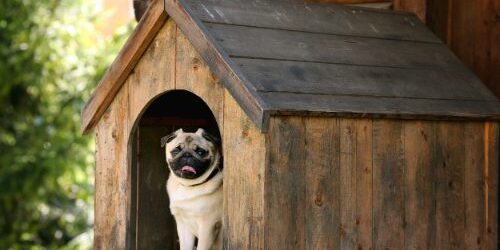
An insulated dog house provides a stable, protected environment that helps shield dogs from temperature extremes throughout the year. Designed to reduce heat transfer, an insulated dog house stays warmer during cold months and cooler during hot weather, offering outdoor dogs a more comfortable place to rest. This type of shelter supports consistent indoor-like conditions by limiting exposure to wind, moisture, and rapid temperature changes. For dogs that spend time outdoors, proper insulation helps maintain comfort across all seasons. Understanding how insulated dog houses work can help pet owners make informed decisions about outdoor housing. The right setup can also support overall safety during challenging weather conditions.
Why an Insulated Dog House Is Important
An insulated dog house serves an important role for dogs that spend part or all of their day outside. Outdoor environments change quickly, especially in regions like northern Indiana where temperatures can fluctuate dramatically between seasons. Without insulation, a standard dog house can trap cold air in winter or become excessively hot in summer. Insulation helps regulate internal temperatures, creating a more stable resting area regardless of outdoor conditions. This stability supports daily comfort and allows dogs to rest more easily without constant exposure to harsh elements. A well-designed insulated dog house also adds a layer of protection against wind, rain, and snow.
Dogs rely on their environment to help manage body temperature, especially when resting. An insulated dog house reduces drafts and limits heat loss during colder months. In warmer seasons, it slows heat transfer from direct sunlight into the shelter. This balance makes insulated dog houses suitable for year-round use rather than seasonal solutions. Pet owners who invest in proper outdoor housing often see improved comfort and more consistent use of the shelter by their dogs. Choosing insulation supports practical, long-term outdoor care rather than short-term fixes.
How Insulation Protects Dogs in Extreme Weather
Insulation works by slowing the movement of heat between the inside of the dog house and the surrounding environment. In winter, insulation helps retain body heat generated by the dog, keeping the interior warmer than the outside air. During summer, insulation limits how much external heat enters the shelter, preventing it from becoming an enclosed heat trap. This temperature moderation helps dogs avoid sudden shifts that can cause discomfort. Insulation also works alongside proper ventilation to support airflow without sacrificing protection. Together, these features help maintain a safer resting space.
Extreme weather does not only involve temperature changes. Wind, rain, snow, and humidity also affect how dogs experience outdoor conditions. Insulated walls help block wind penetration, which can significantly lower perceived temperatures in cold weather. Moisture-resistant insulation materials also reduce the impact of damp conditions that can make shelters uncomfortable. In hot weather, insulation helps prevent radiant heat buildup from direct sun exposure. These combined benefits make insulation an important feature for outdoor shelters in diverse climates.
Cold Weather Protection
During colder months, insulated dog houses help reduce heat loss caused by freezing air and wind chill. Thick insulated panels slow the escape of warmth, allowing dogs to maintain a more comfortable resting temperature. Elevated floors and insulated roofing further limit exposure to cold ground and falling snow. Proper insulation also reduces condensation buildup, which can occur when warm air meets cold surfaces. By minimizing drafts, the shelter becomes a reliable refuge rather than a temporary escape. This design helps outdoor dogs rest without constant exposure to harsh winter conditions.
Hot Weather Protection
In warmer weather, insulation helps prevent heat from penetrating the shelter too quickly. Sun exposure can cause uninsulated dog houses to heat up rapidly, making them uncomfortable or unusable. Insulated walls slow this process, keeping the interior cooler for longer periods. When combined with shade placement and ventilation openings, insulation supports airflow while reducing heat retention. Dogs benefit from having a shaded, cooler place to retreat during high temperatures. This balance helps create a usable shelter across multiple seasons.
Choosing the Right Insulated Dog House
Selecting the right insulated dog house involves more than choosing the thickest walls. Size matters, as a dog house should be large enough for the dog to stand, turn, and lie down comfortably without excess space that reduces heat retention. Materials also play a key role, with common options including wood, plastic, and composite panels designed for outdoor use. Each material offers different insulation properties and durability levels. Weather resistance, ease of cleaning, and overall construction quality should all factor into the decision. A well-built insulated dog house should feel solid, stable, and well-sealed.
Placement also affects how well an insulated dog house performs. Shelters placed in shaded areas avoid excessive heat buildup during summer months. Positioning the entrance away from prevailing winds can help reduce drafts in colder seasons. Elevated bases prevent moisture from seeping in from the ground. Choosing a dog house designed specifically for insulation ensures these factors work together effectively. The goal is a balanced shelter that supports comfort throughout the year.
Key features to look for in an insulated dog house include:
- Thick insulated walls, roof, and floor designed for outdoor use
- Raised flooring to prevent ground moisture and cold transfer
- Tight-fitting doors or flaps to reduce drafts while allowing easy entry
- Durable, weather-resistant materials that withstand seasonal changes
DIY vs. Store-Bought Insulated Dog Houses
Pet owners often consider whether to build their own insulated dog house or purchase a ready-made option. DIY projects offer customization, allowing owners to tailor size, materials, and design to their dog’s needs. However, building an effective insulated dog house requires careful planning and proper materials. Poor insulation placement or inadequate sealing can reduce effectiveness. DIY projects also demand time, tools, and construction skills. Without proper design, homemade shelters may not provide consistent protection.
Store-bought insulated dog houses are designed with tested materials and standardized construction. Many models include built-in insulation, weather-resistant finishes, and easy-to-clean interiors. These shelters often undergo durability testing to ensure they withstand outdoor conditions. While store-bought options may cost more upfront, they provide convenience and consistency. For many pet owners, professionally designed insulated dog houses offer reliable performance without the uncertainty of custom builds. The best choice depends on budget, available time, and confidence in construction skills.
When comparing options, consider these factors:
- Construction quality and insulation effectiveness
- Time investment versus convenience
- Durability and long-term outdoor performance
- Ease of maintenance and cleaning
Additional Tips for Keeping Your Dog Warm and Safe
An insulated dog house works best when combined with thoughtful setup and regular maintenance. Keeping the interior clean and dry helps maintain insulation performance over time. Bedding materials designed for outdoor use can add comfort without trapping moisture. Regular inspections ensure insulation remains intact and free from damage. Seasonal adjustments, such as relocating the shelter or adjusting ventilation, can improve comfort as weather changes. These steps help maximize the benefits of an insulated dog house.
Routine veterinary guidance also plays a role in outdoor safety. Dogs with specific health needs may require additional considerations when spending time outdoors. Monitoring behavior helps identify whether the shelter meets comfort needs. If a dog avoids the shelter or appears uncomfortable, adjustments may be necessary. A properly maintained insulated dog house supports outdoor comfort when paired with attentive care. For personalized guidance, veterinary teams can help pet owners make informed decisions.
Helpful setup tips include:
- Place the dog house in a shaded, wind-protected location
- Keep the interior dry and free of debris
- Inspect insulation and structure regularly
- Adjust placement seasonally for optimal comfort
A Comfortable Shelter Starts With Smart Choices
An insulated dog house offers year-round comfort and protection by helping regulate temperature and limit exposure to harsh weather. Choosing the right design, materials, and placement supports consistent outdoor comfort for dogs in every season. For pet owners in Rochester, Indiana, understanding shelter options can make a meaningful difference in daily care. The team at Fulton County Veterinary Clinic is available to answer questions about outdoor safety and seasonal considerations. Call us at (574) 223-4980 or request an appointment online to discuss your dog’s needs and learn more about supportive care options.
Recent Posts
About Us
Fulton County Veterinary Clinic is a family-owned and operated animal hospital serving Rochester, IN, and its neighboring communities for over a generation.